
For Imaging of Transmigration & Transport Studies
SiMPore is the exclusive supplier of the microporous silicon nitride membrane chips used in this product.
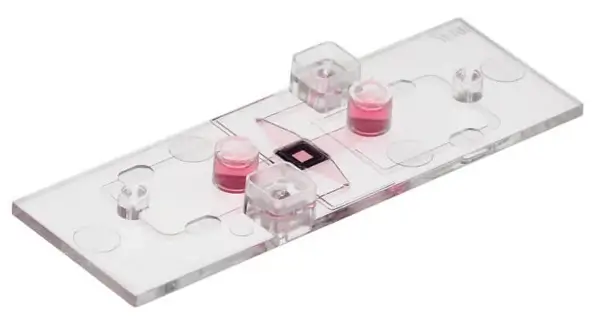
The µ-Slide ibiPore SiN consists of a horizontal porous membrane that is inserted between two channels: the upper channel is a static reservoir above the membrane, while the lower channel is a perfusion channel for applying defined shear stress on cells, which are attached to the membrane. The upper and the lower channels communicate with each other only across the membrane.
Unique benefits include:

Brilliant optical quality through the thin, porous membrane

Full access to the apical and basal sides of adherent cells in numerous applications

Different pore sizes available for various cell types
Applications & Uses
Endothelial Barrier Assays
A cell monolayer is cultivated on one side of the membrane.
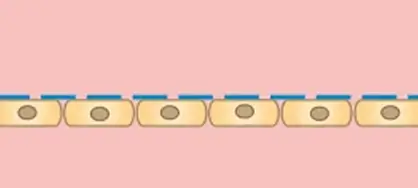
Cells on the lower side of the membrane
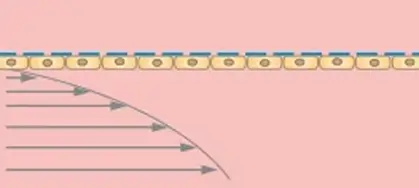
Cells on the lower side of the membrane with defined shear stress
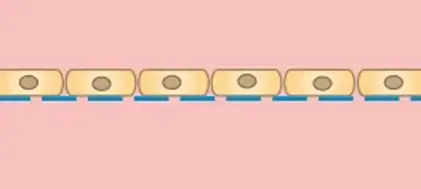
Cells on the upper side of the membrane
Co-Culture and Cell Barrier Assay
Two separate cell monolayers are cultivated on each side of the membrane. With this method, signaling, co-culture, and transport studies are possible (e.g., analysis of drug transport across epithelial or endothelial barriers).
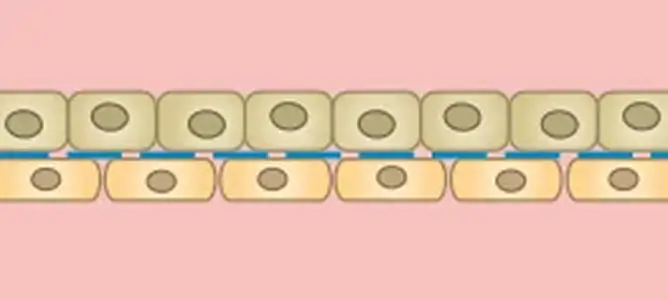
Co-culture of two different cell types on both sides of the membrane
Apical-Basal Cell Polarity Assays
Chemical factors inside of a 3D gel matrix lead to the polarization of a cell monolayer that is cultured on the other side of the membrane.
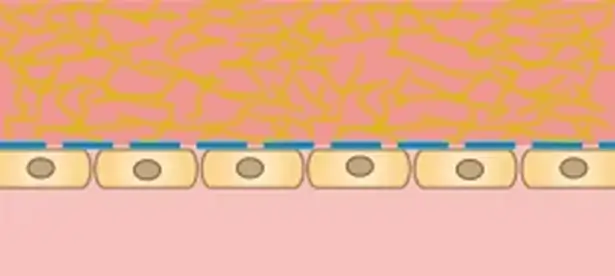
Cells on the lower side of the membrane with a 3D gel matrix in the upper channel
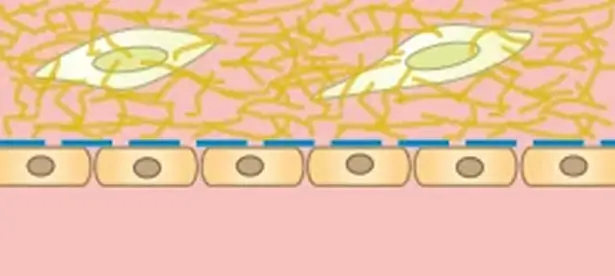
Cells on the lower side of the membrane with a 3D gel matrix with embedded cells in the upper channel